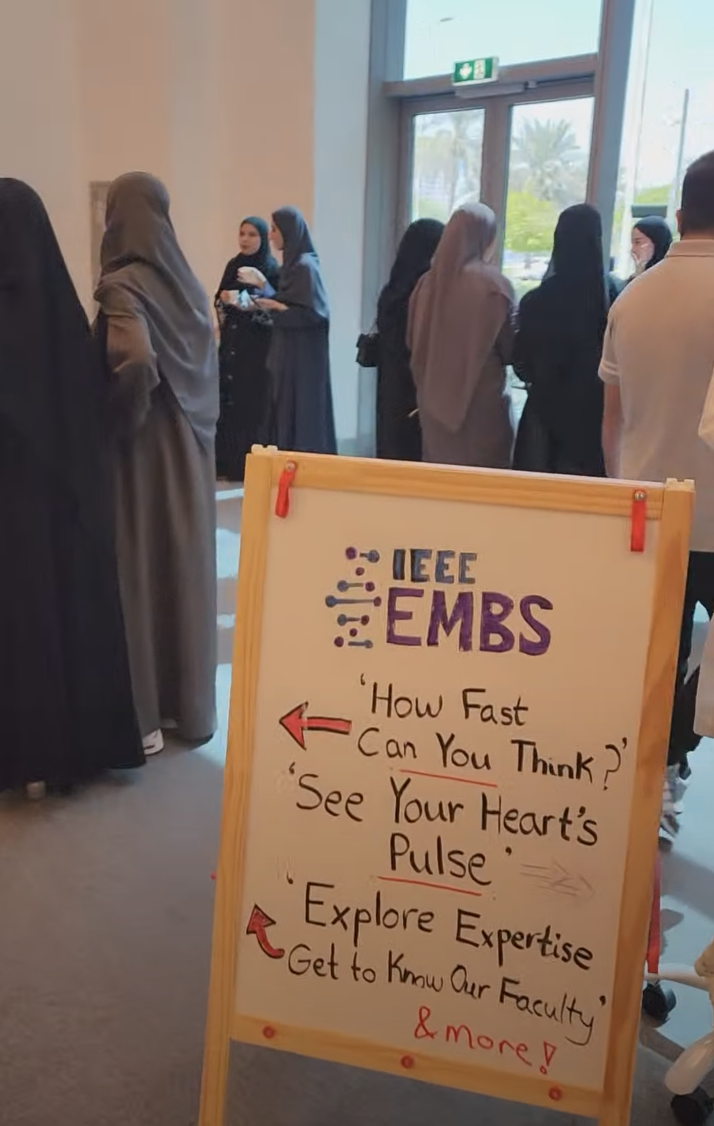
Welcome to the IEEE Engineering in Medicine and Biology Society (EMBS) Chapter at Khalifa University. The chapter is a vibrant student-led community dedicated to advancing biomedical engineering through innovation, collaboration, and professional development. Our chapter serves as a platform for undergraduate and graduate students and researchers to engage with cutting-edge topics in healthcare technology, connect with experts in the field, and participate in workshops, seminars, and outreach activities. We aim to foster interdisciplinary growth and contribute to the global EMBS mission of applying engineering solutions to improve human health.
To bring together students interested in biomedical engineering and support their growth through learning, research, and collaboration.
We aim to explore how technology can help improve healthcare and human well-being. We also aim to build an active and inspiring community where students can share ideas, develop skills, and make a real impact in the field of biomedical engineering.
IEEE International Conference on E-health Networking, Application & Services
21st IEEE Biomedical Circuits and Systems Conference
Members
Events
Guests Invited
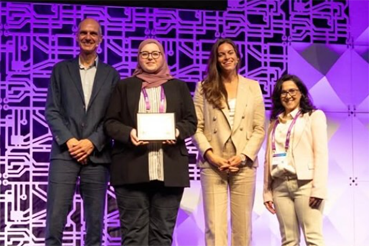
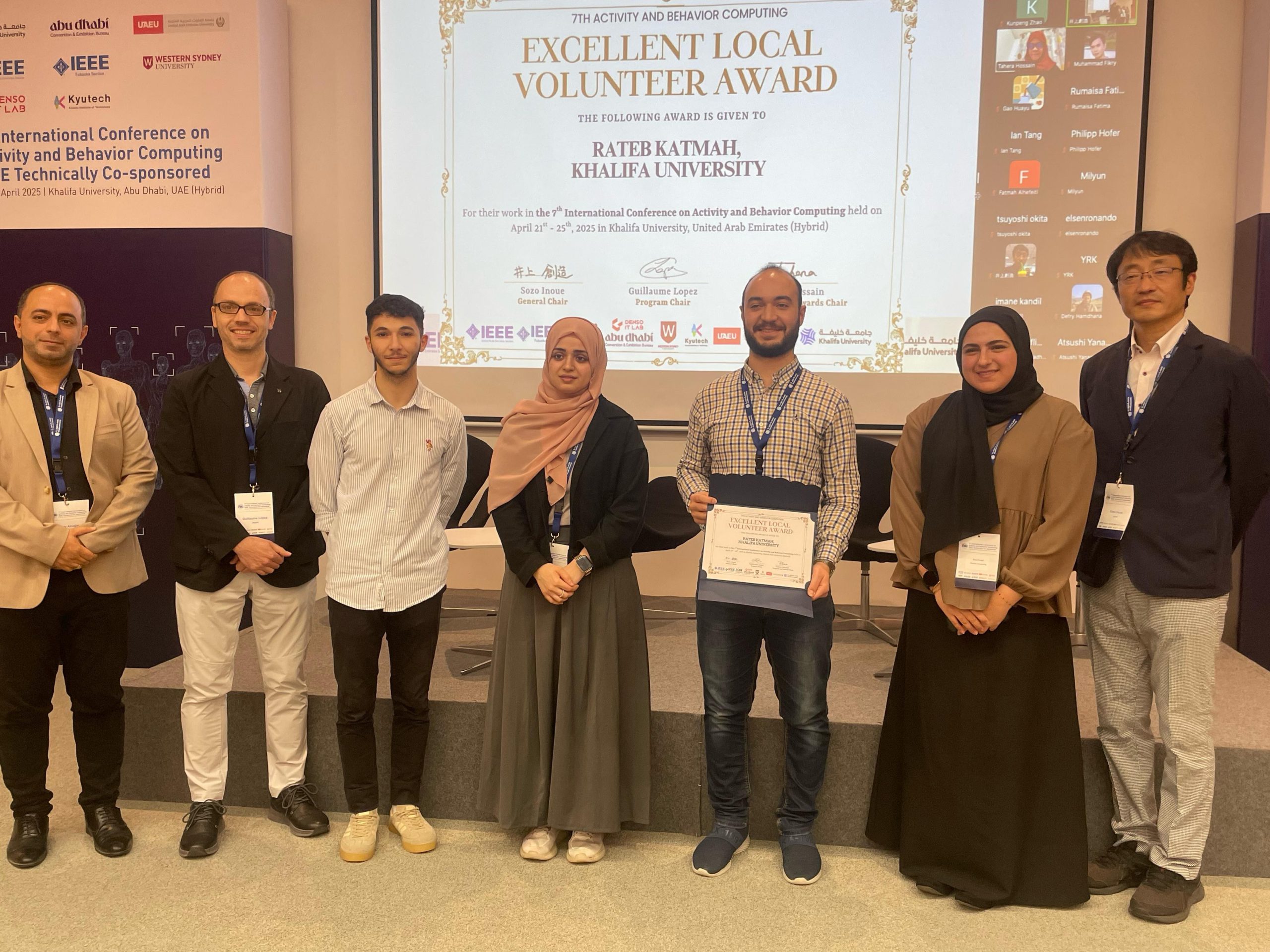
The IEEE EMBS Student Chapter at Khalifa University was honored with the prestigious “Excellent Local Volunteer Award” during the 7th International Conference on Activity and Behavior Computing, held from April 23–25, 2025, at Khalifa University, UAE. This recognition celebrates the chapter’s exceptional commitment to volunteerism, organizational excellence, and impactful contributions to the success of the conference. The award highlights the chapter’s proactive involvement in supporting the event’s logistics, engaging participants, and fostering a collaborative environment that facilitated meaningful academic exchange and innovation in the fields of activity and behavior computing.
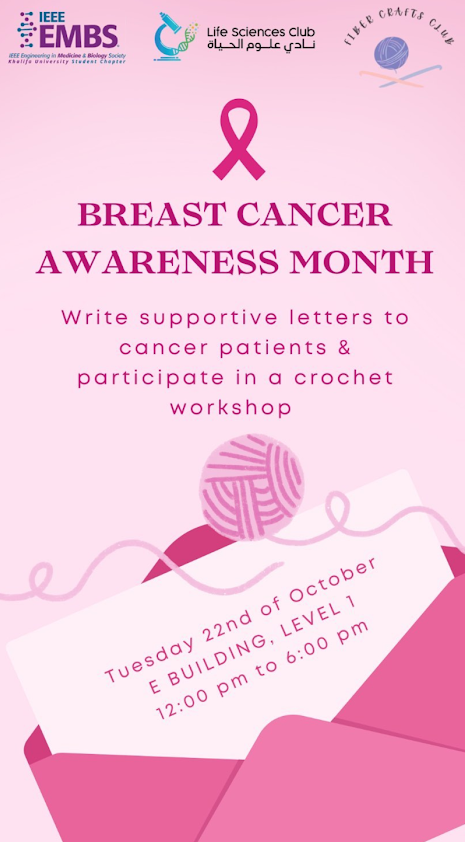
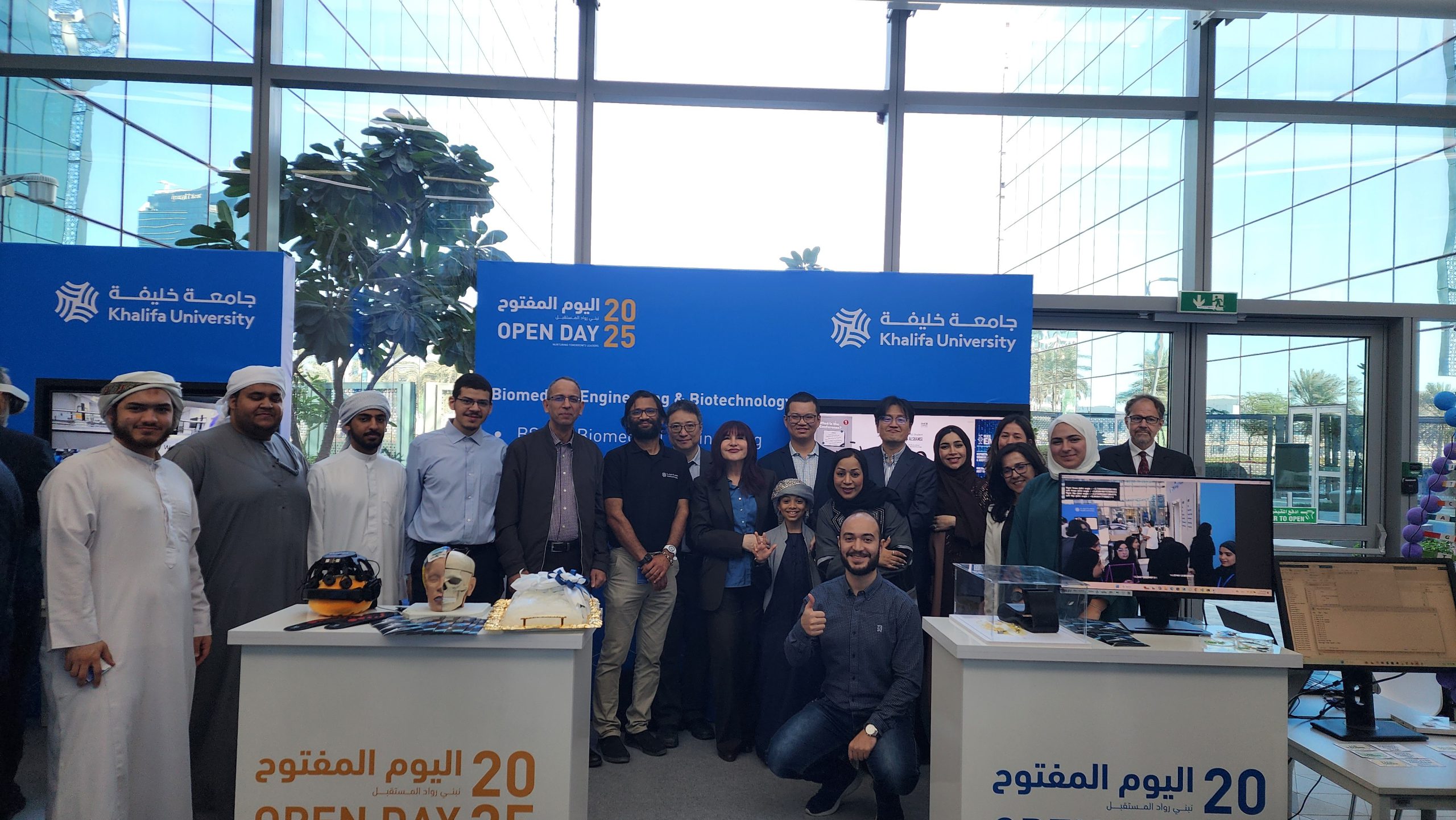
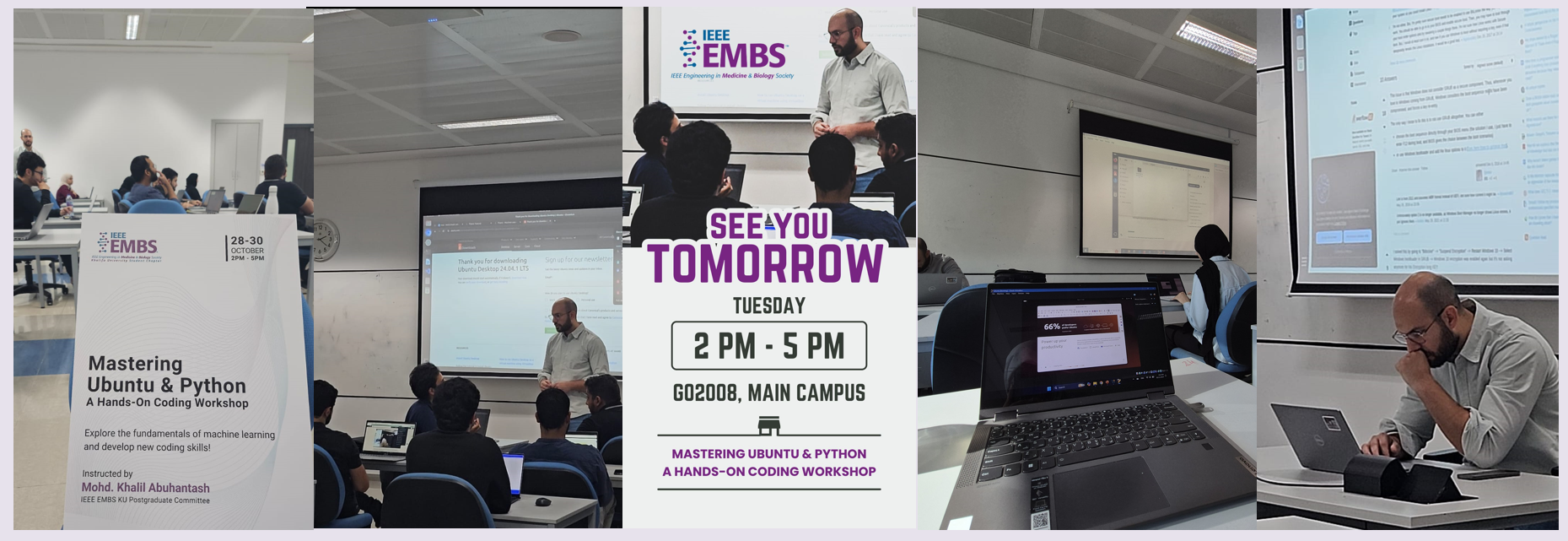
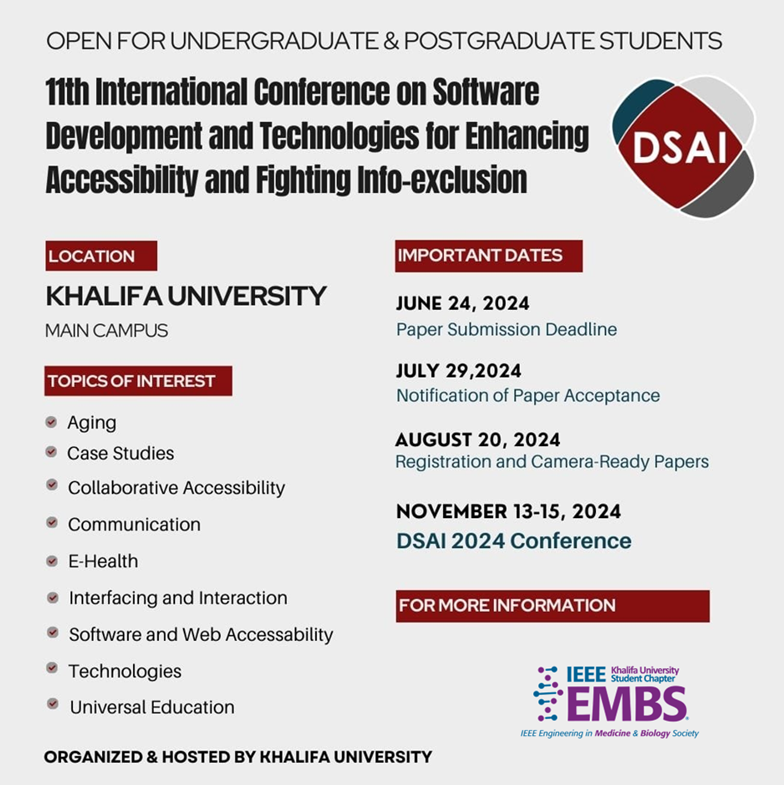
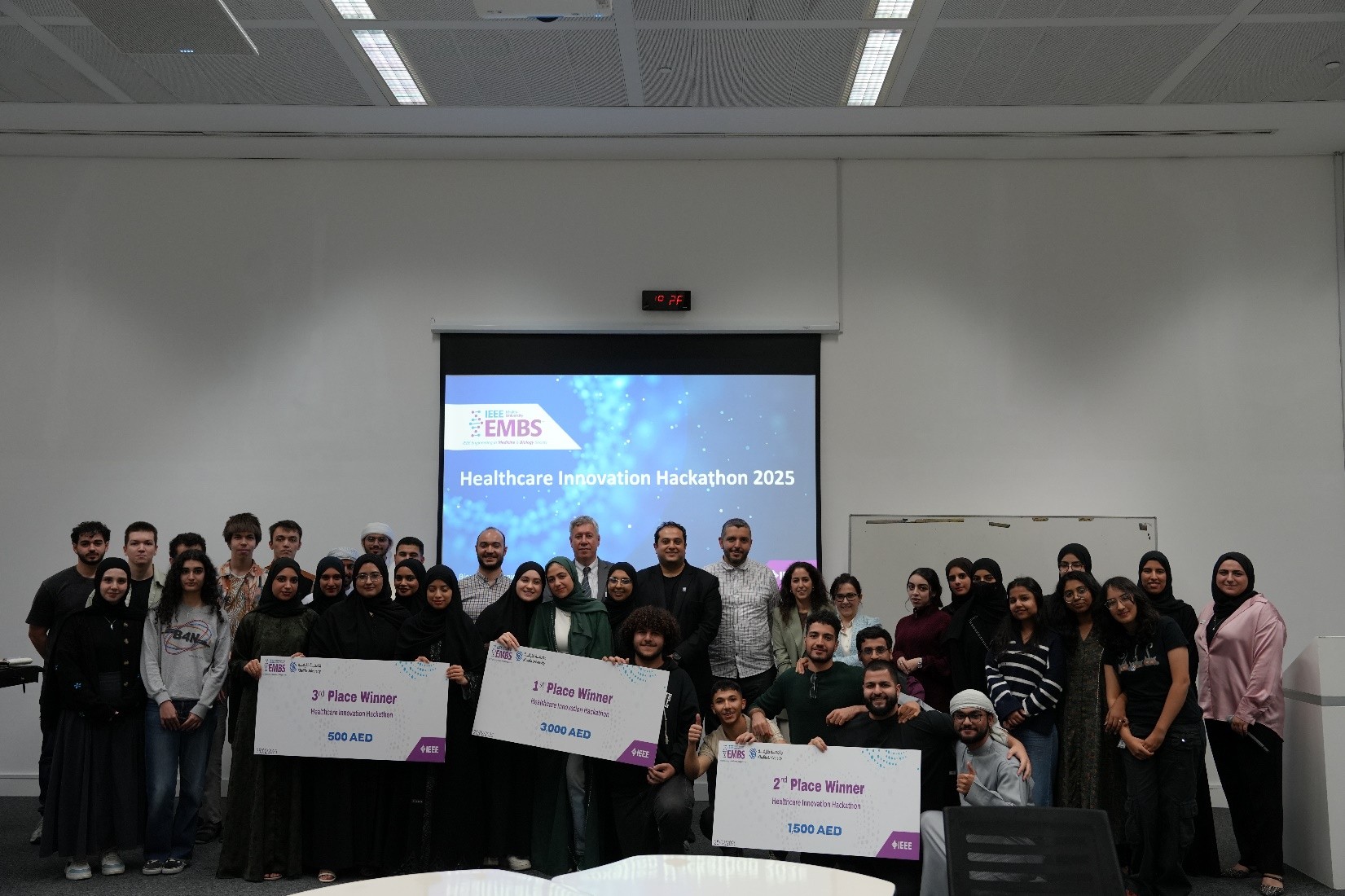
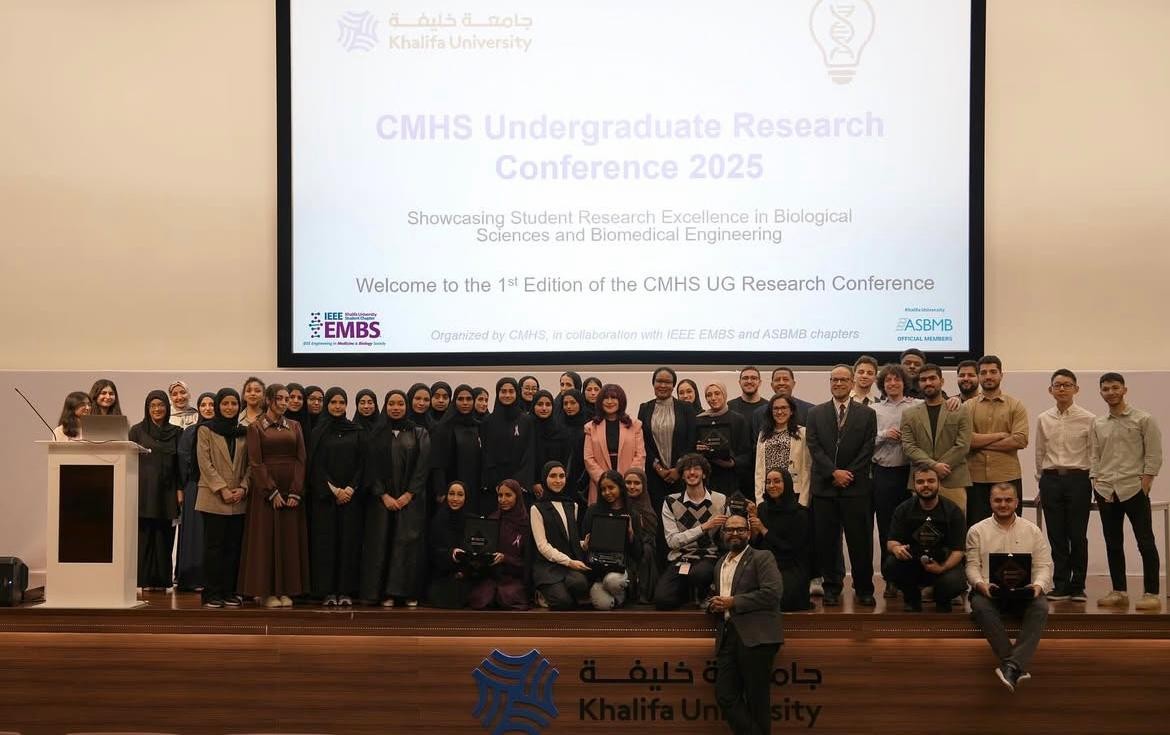
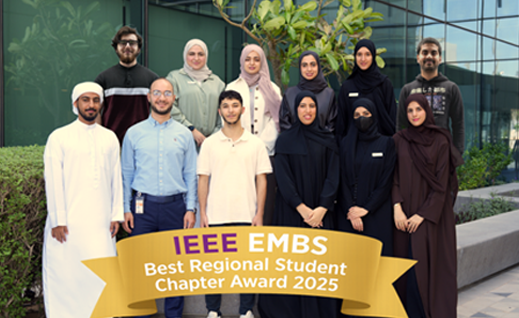
Read MoreThe IEEE EMBS Khalifa University Student Chapter has been recognized for its outstanding contributions to the IEEE Engineering in Medicine and Biology Society through impactful student engagement, technical excellence, and leadership in advancing biomedical engineering education, outreach, and global visibility. Over the past year, the chapter has exemplified exceptional dedication by organizing a wide array of initiatives that enriched the technical and professional development of its members. These included hands-on workshops like the “Mastering Ubuntu and Python” series, large-scale awareness events such as Breast Cancer Awareness Month with over 500 participants, and active participation in university events like Clubs & Chapters Day and Open Day 2025. The chapter also played a key role in hosting the 11th International Conference on Software Development and Technologies for Enhancing Accessibility and Fighting Info-exclusion (DSAI 2024), and contributed to the CMHS Undergraduate Research Conference 2025, reflecting its commitment to interdisciplinary collaboration. Additionally, it hosted impactful seminars and panels featuring renowned speakers on topics ranging from stem cell science to biomaterials and women in technology. These efforts significantly enhanced the chapter’s local and international presence, growing its membership to 66 in its first year and positioning it as a leading EMBS student chapter in the Middle East/Africa region.
Read More
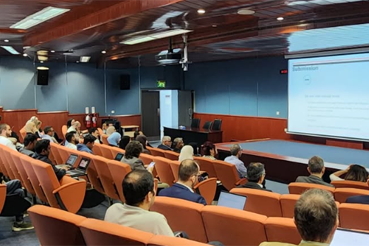
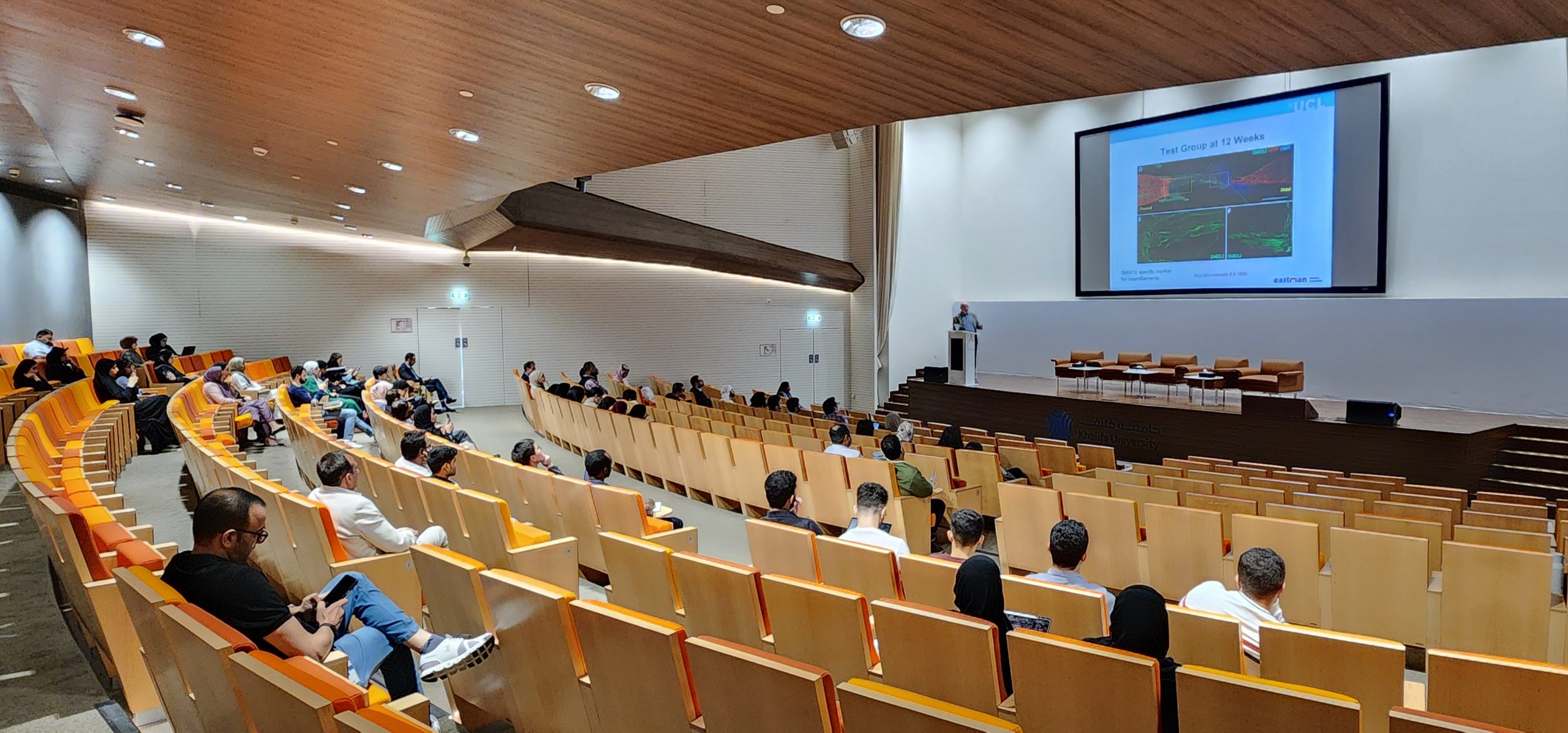
Over the past years, EMBS @KU has hosted several distinguished speakers, leading professionals in research and industry. Lecture topics varied from breakthroughs in biomedical engineering to career pathways and even how to breakthrough with a startup venture! See our past speakers and topics below and on our social media accounts.
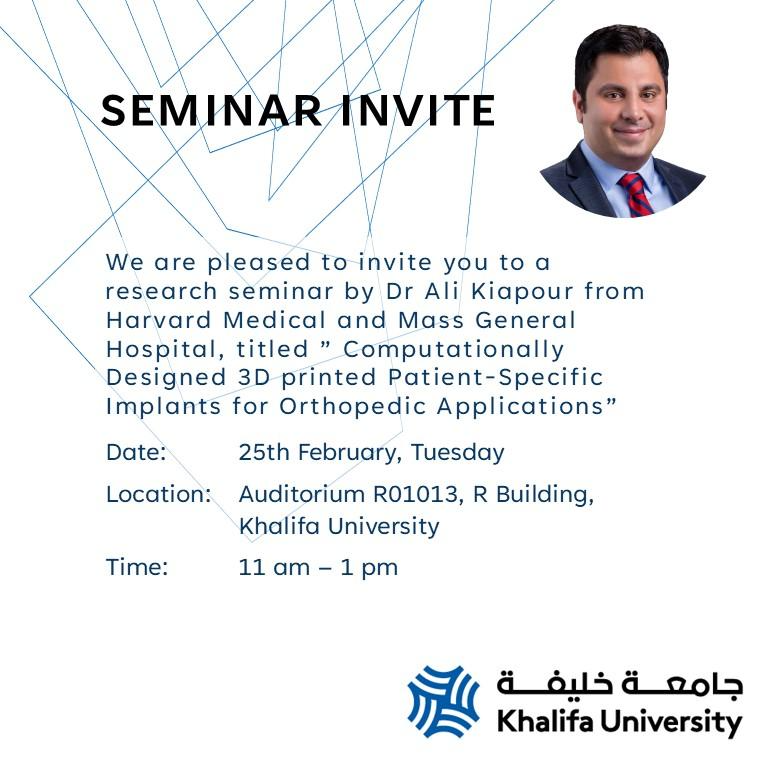
Computationally Designed 3D Printed Patient-Specific Implants for Orthopedic Applications
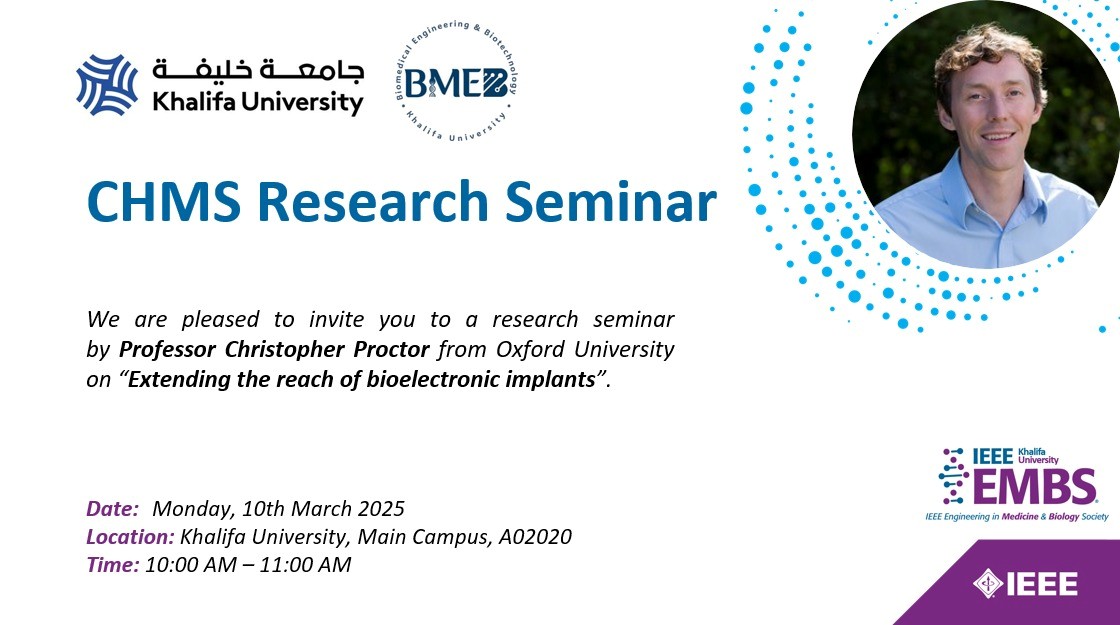
Extending the Reach of Bioelectronic Implants
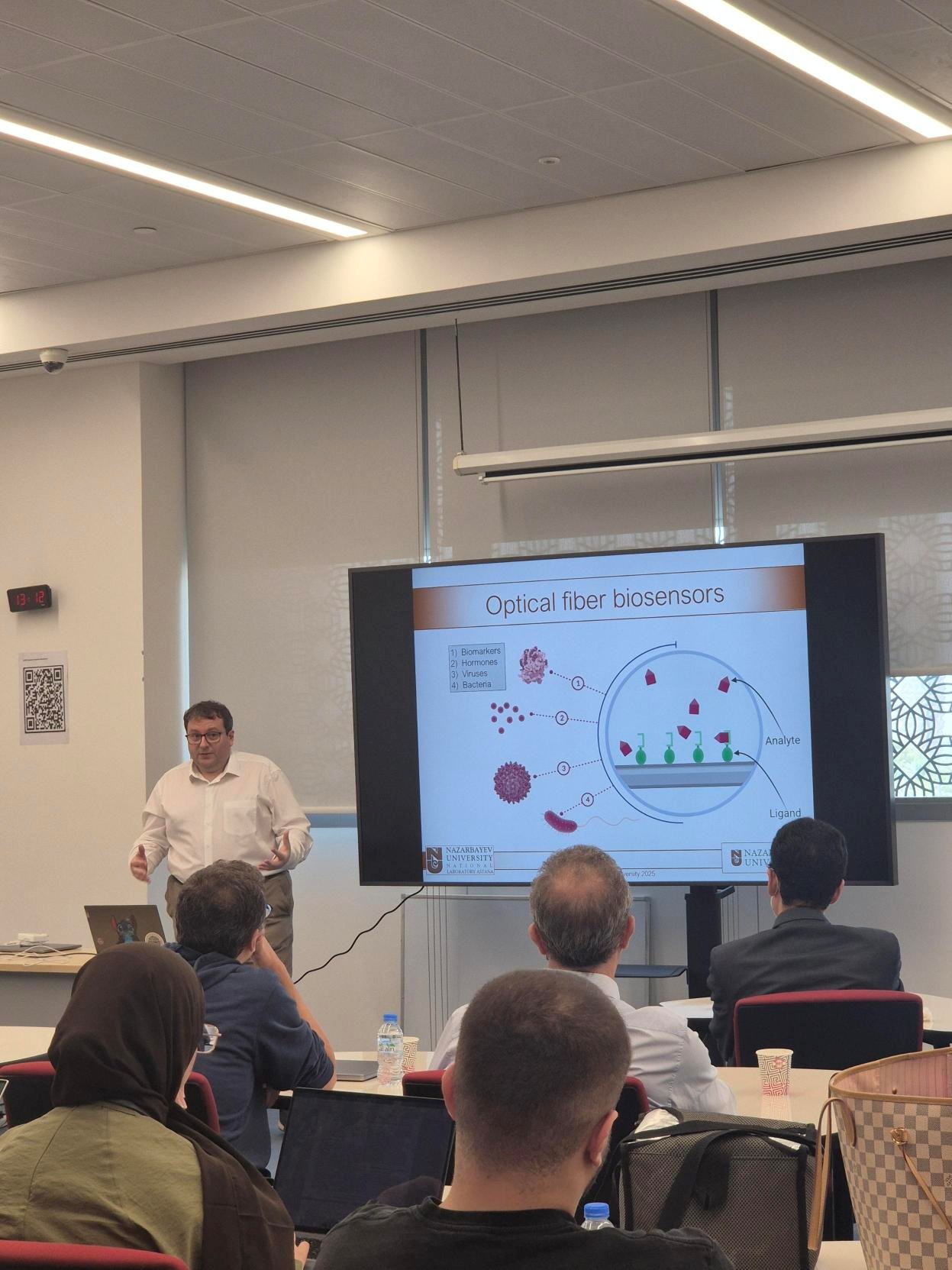
Optical Fiber Biosensors Based on Semi-Randomized Interferometry
Multiphoton Lithography for Metamaterials Fabrication
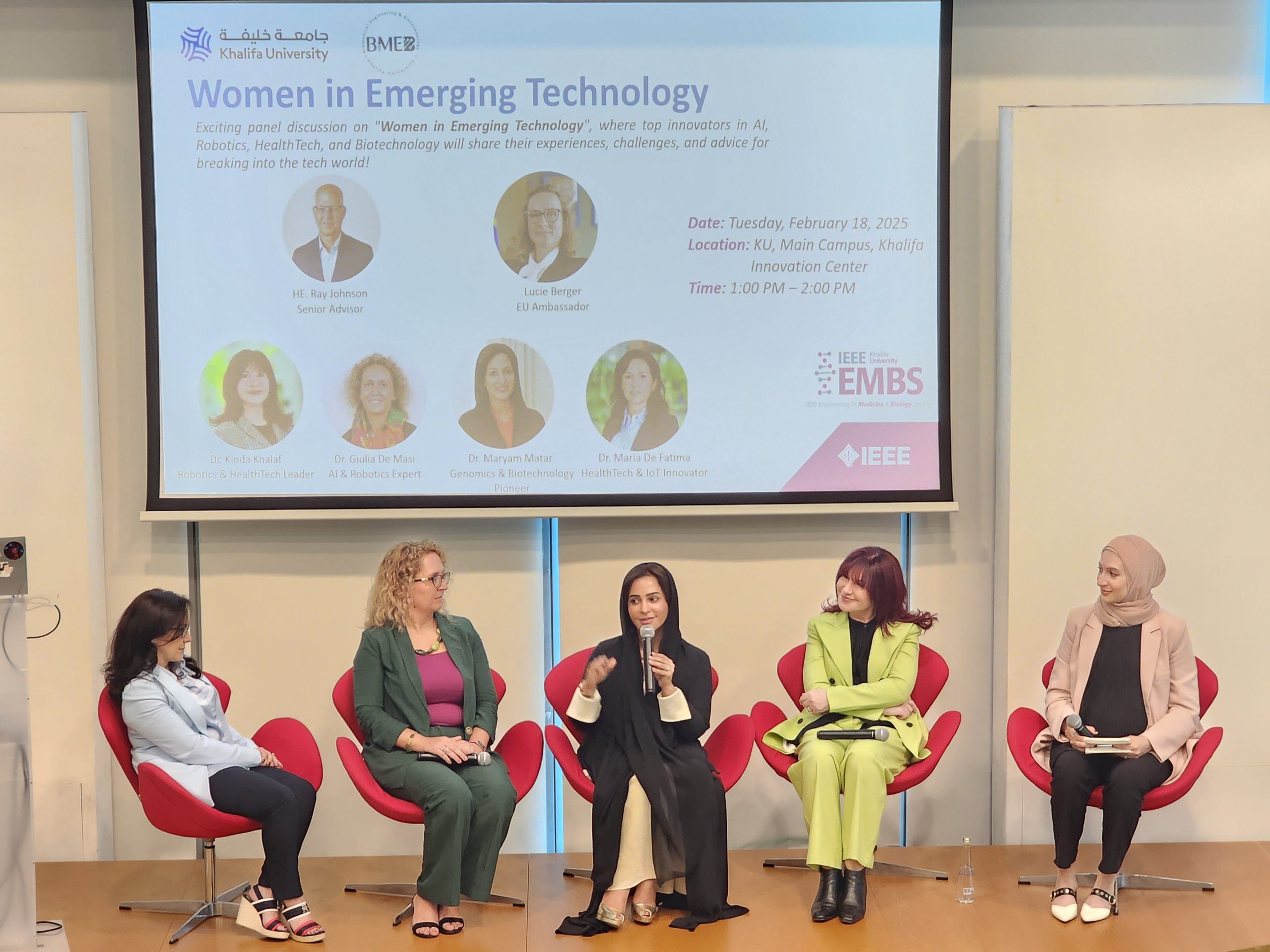
Women in Emerging Technology / Chair at CMHS Undergraduate Research Conference
Women in Emerging Technology
Women in Emerging Technology / Opening Remarks at CMHS Undergraduate Research Conference
Women in Emerging Technology
Future Biomaterials: Biomedical, Medicine, and Other Applications
Featured student and faculty research
Explore the cutting-edge research led by our faculty and students across diverse biomedical engineering fields. This spotlight highlights the work of principal investigators (PIs) and their labs, showcasing impactful innovations in health technologies, biosensors, physiological modeling, neural engineering, and more.
The MedXAI research group – led by Aamna AlShehhi leads at Khalifa University, where her team focuses on applying artificial intelligence (AI) and machine learning (ML) to healthcare challenges. Their work encompasses early detection of neurodegenerative diseases, development of AI tools for rare genetic disorders, and integration of wearable technologies for mental health monitoring. Notable projects include the GenRare initiative for early diagnosis of rare diseases and the MoRehab project, which utilizes AI-enhanced motor imagery for stroke rehabilitation within immersive virtual reality environments. Dr. AlShehhi’s interdisciplinary approach bridges biomedical engineering, computer science, and clinical applications, aiming to improve patient outcomes through innovative technological solutions.
The Rehabilitation Lab – led by Dr. Kinda Khalaf, is a multidisciplinary research hub focused on advancing rehabilitation technologies through multimodal sensing, biomechanics, robotics, and artificial intelligence.
The team is engaged in cutting-edge projects that span diverse applications, including task-specific neural synchronization using EEG during robotic-assisted tasks, the design of patient-specific ankle orthoses for drop-foot assistance, and the development of muscle-inspired cable-driven lower limb exoskeletons.
The lab also explores cognitive adaptation to supernumerary robotic fingers and sustainable prosthetic solutions aimed at global accessibility. Additionally, the team is pioneering wearable biosensing technologies, such as smart insoles for diabetic foot management and systems that enhance SPIDER cage therapy through real-time feedback and gamification.
Together, these efforts aim to bridge the gap between engineering innovation and clinical rehabilitation, improving quality of life for individuals with movement impairments.
Laboratory of Bioelectronics & Biosystems on Chip – led by Dr. Anna-Maria Pappa – https://www.lab-bbc.com/: An interdisciplinary group working at the interface between electronics and biology. The BBC Lab focuses on developing technological solutions to unmet clinical needs by taking a multilevel approach, that combines the triad engineering – interfacing – translating. They interface manmade devices with biology at multiple length scales spanning from subcellular to multicellular systems to even directly interfacing with the human body.
Revealing Bioremediation Potential of Novel Indigenous Bacteria from Oil-Contaminated Sites in the Uae: A Combined Bioinformatics and Experimental Approach (http://dx.doi.org/10.2139/ssrn.4962030)
Bacterial Membrane Mimetics: From Biosensing to Disease Prevention and Treatment (https://doi.org/10.3390/bios13020189)
Data-driven analysis for the evaluation of cortical mechanics of non-adherent cells (https://doi.org/10.1038/s41598-025-94315-4)
A Ratiometric Conducting Polymer Redox Electrode Comprising of a Functionalized MOF for Dual Signal Bioelectronic Sensing (http://dx.doi.org/10.2139/ssrn.4717353)
A Methodology for Quantifying Neurological Adaptation to Physiotherapy in ACL-Injured Patients through Muscle Activity and Brain Connectivity Analysis. https://dl.acm.org/doi/abs/10.1145/3707127.3707153
Deep Learning Models to Predict Hip Joint Kinetics From Kinematics During Gait. https://dl.acm.org/doi/abs/10.1145/3707127.3707160
Musculoskeletal model predictions sensitivity to upper body mass scaling during gait. https://www.sciencedirect.com/science/article/pii/S0010482525000897
Adaptation Robotics and Cognitive Load: Use of a Supernumerary Finger for Activities of Daily Living. https://ieeexplore.ieee.org/abstract/document/11016062
Success stories of KU EMBS alumni
https://mashyah.com
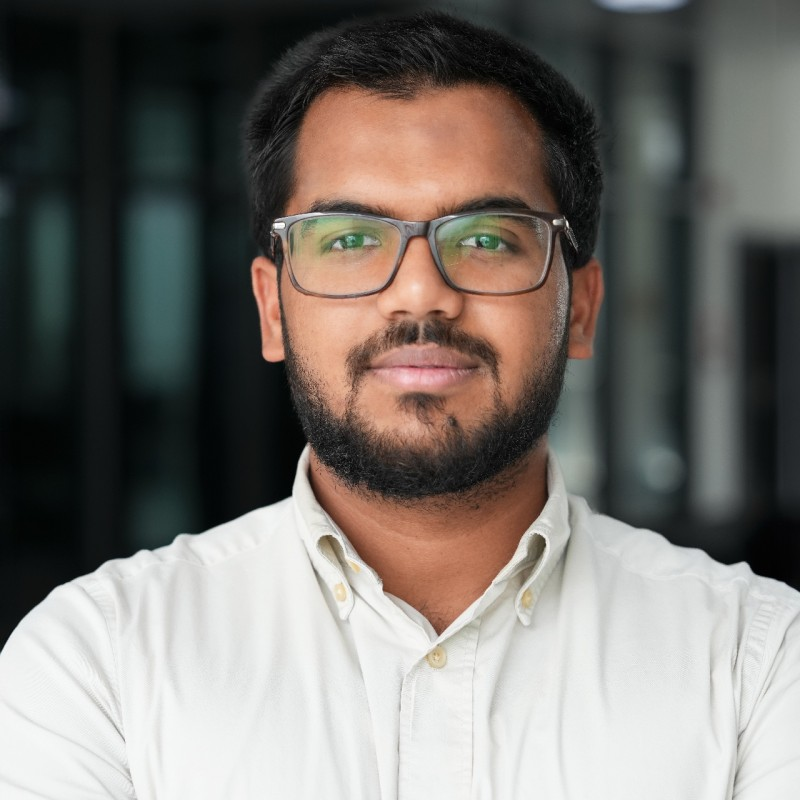
Mashyah is a start-up based at Khalifa University Innovation Center. It is a motion assessment tool provides full body motion analysis, gait assessment, joint condition, pre- and post-intervention functional assessment to aide surgeons, physiotherapists, sports medics, neurologist, enabling data-driven decision making. The founder of Mashyah is AbdulAziz Vaqar.
Abdul Aziz Vaqar is a biomechanist and entrepreneur, known for his expertise in transforming human gait analysis. As the founder of Mashyah, Abdul Aziz is dedicated to improving human lives through innovative solutions in biomechanics. With a Ph.D. Candidate in Mechanical Engineering from Khalifa University, AbdulAziz brings a wealth of knowledge and experience to his work. He has made significant contributions to the field of biomechanics, including his notable master’s thesis on human gait analysis and the development of Mashyah, a motion assessment tool that provides valuable insights into an individual’s movement patterns. Abdul Aziz’s expertise lies in transforming human gait analysis from a conventional, bulky setup to a portable, clinician-friendly tool that employs artificial intelligence with biomechanics.
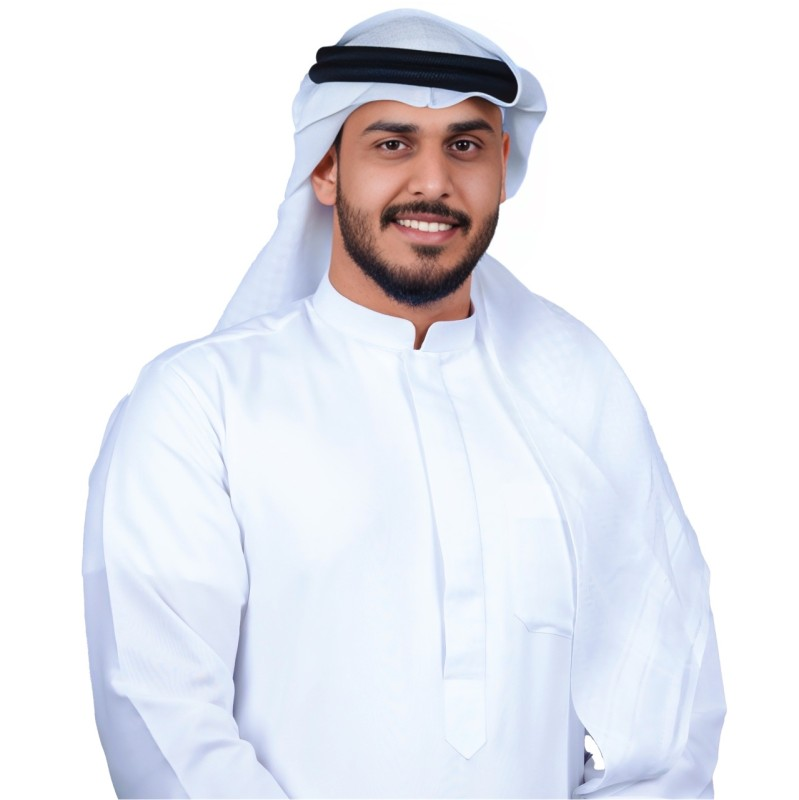
farisalnahdi1998@gmail.com
Faris Alnahdi is a biomedical engineer and branding specialist who earned both his Bachelor’s and Master’s degrees in Biomedical Engineering from Khalifa University. During his graduate studies, he served as a Teaching Assistant and Graduate Researcher, contributing to academic development and research in biotechnology and biomedical innovation. He further honed his expertise through internships at Biogenix Labs, where he worked with next-generation DNA sequencing technologies and at Ureka Education Group, where he gained hands-on experience in bioinformatics and genomic data analysis. Currently, Faris plays a key role as a Brand Specialist at PureHealth, where he leads impactful campaigns such as PureCulture and champions a workplace culture rooted in diversity, creativity, and collaboration. His unique blend of technical knowledge and strategic communication exemplifies the value of interdisciplinary talent in advancing the UAE’s healthcare sector.
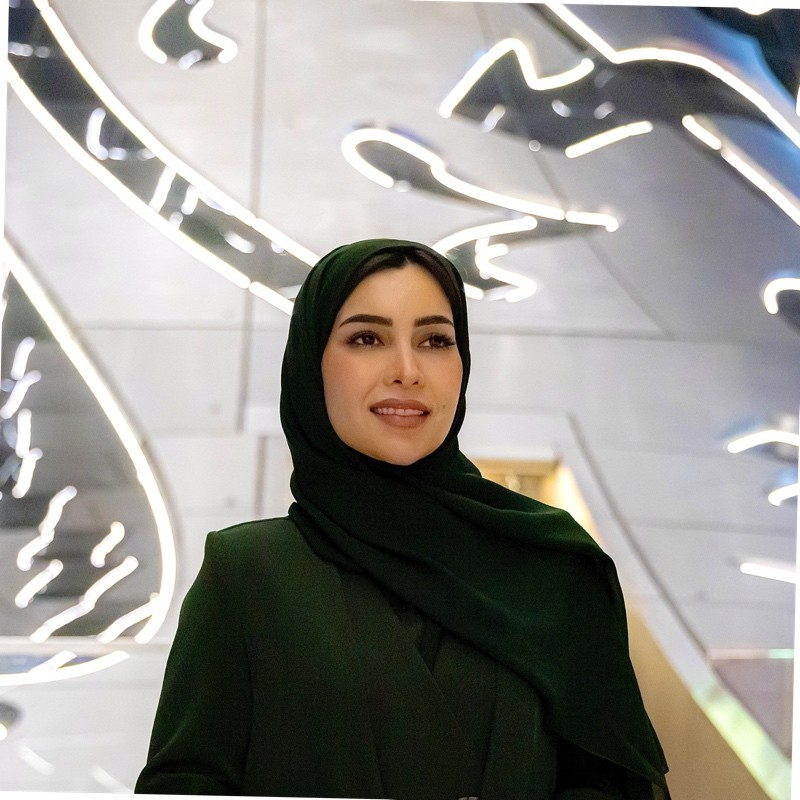
halima.alnaqbi@ku.ac.ae
Dr. Halima Alnaqbi is a leading researcher in human genetics, immunogenetics, and multi-omics. Her work explores genetic susceptibility to immune-related diseases and cancer, with a strong focus on bridging gaps in histocompatibility and organ transplantation within the UAE. She completed her PhD at Khalifa University and holds a master’s degree from the University of Pittsburgh. Dr. Alnaqbi also completed a prestigious postdoctoral fellowship in collaboration with KU Leuven, where she investigated novel drug targets for diabetic complications and cancer immunotherapy. Her academic and research contributions exemplify the vital role of biomedical science in advancing precision medicine across the region
Peer Mentoring Program
Career & Alumni Services
Peer Tutoring Program
Career Fair – Every Fall
KU Tawjeeh Program
Majors Day – Ever Fall
CTL – Student Development